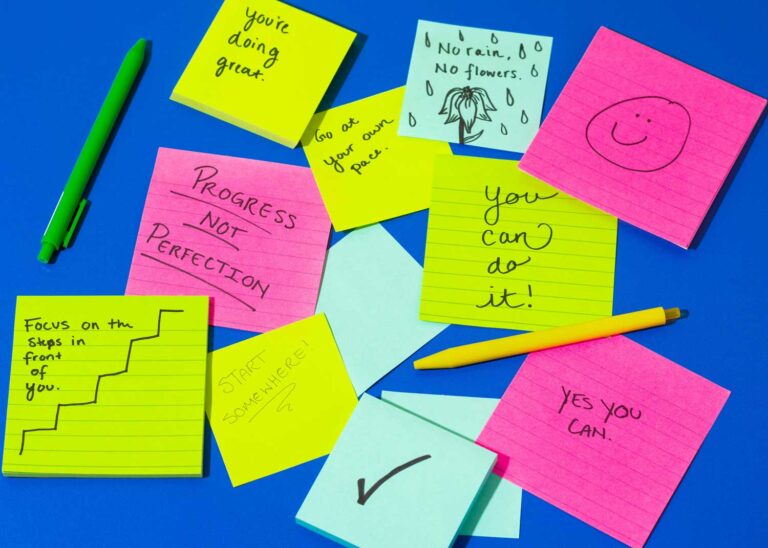
Creative burnout can sneak up on you when you least expect it — leaving you exhausted, stuck, and questioning why you started creating in the first place.
If you’re feeling this way, you’re not alone. Even the most driven creatives hit a wall sometimes. It’s not a reflection of your ability or your dedication. It’s a natural, and very human, part of the creative process.
In this post, we’ll cover the signs, the causes, and the practical strategies that can help you break free and reignite your creative spark.

What Is Creative Burnout?
You know that feeling when you sit down to make something, and nothing comes? The creativity tap just won’t turn on. Your brain feels stuck in quicksand — and no matter how hard you push, you can’t seem to break free. That is creative burnout. It’s a state of emotional, physical, and mental exhaustion that can hit anyone doing creative work, at any stage of their journey.
Signs and Symptoms of Creative Burnout
Creative burnout shows up in all sorts of ways. You might notice a complete lack of motivation or inspiration — like the well has simply run dry. Maybe you’re plagued by self-doubt, feeling like everything you produce is subpar. You might start procrastinating on projects, or avoiding them altogether. Physical symptoms are common too: headaches, poor sleep, and constant fatigue are all warning signs worth paying attention to.
Impact on Mental Health
When creative work is deeply tied to your identity, losing that spark can feel incredibly destabilising. Questions like “Am I even good at this?” or “Was I ever?” start to creep in. That kind of negative self-talk can quickly spiral — into anxiety, low mood, and a general sense of being stuck.
Burnout is caused by excessive and prolonged stress. When you feel constantly overwhelmed and emotionally drained, it’s only a matter of time before your mental health takes a hit. Taking it seriously — and treating it like the real condition it is — is the first step toward recovery.
How Creative Burnout Affects Your Work
Burnout doesn’t just affect how you feel — it affects what you produce. When you’re uninspired and running on empty, the quality of your work suffers. Deadlines get missed. Projects feel hollow. Worse still, you can start to resent the very creative work you once loved. Over time, that can damage your professional reputation and make it harder to rebuild momentum.
Causes of Creative Burnout
Burnout is rarely caused by just one thing. It’s usually a combination of factors building up over time.
High-Pressure Environments
Constant deadlines, demanding clients, and the pressure to always be “on” can quickly deplete your reserves. When you’re always in go-mode with no space to recharge, hitting a wall is almost inevitable.
Lack of Work-Life Balance
Creative work can be all-consuming — but a life outside of work isn’t optional, it’s essential. Constantly neglecting personal relationships, hobbies, rest, and self-care in favour of output takes a serious toll on both your wellbeing and your creativity.
Perfectionism and Self-Doubt
Creatives tend to be their own harshest critics. Constantly striving for perfection, or doubting whether your work is good enough, is an exhausting way to operate. That inner critic is one of the fastest routes to burnout.
Monotonous or Unchallenging Work
On the flip side, if your creative work has started to feel stale or repetitive, that can also lead to burnout. When you’re not growing or being challenged, the passion and curiosity that drew you to your craft in the first place can quietly fade.
Overcoming Imposter Syndrome
Imposter syndrome is a close companion to creative burnout — and just as draining. It’s that nagging internal voice telling you that you’re a fraud, that you don’t deserve your success, and that sooner or later everyone will figure it out.
Recognising Imposter Syndrome
The first step is recognising it for what it is: a distorted perception of reality. Feeling like a fraud doesn’t make it true. Most creative people experience this at some point — you are in very good company.

Embracing Your Unique Creativity
One of the most effective antidotes to imposter syndrome is leaning into what makes your work distinctly yours. Instead of measuring yourself against others or trying to fit a mould, focus on developing your own voice, perspective, and style. That’s where the real value lies.
Celebrating Your Accomplishments
When imposter syndrome is loud, it’s easy to dismiss your wins as flukes. Try keeping a running list of your achievements — big and small — and revisit it when self-doubt creeps in. You worked hard to get where you are. That’s worth acknowledging.
Dealing with Decision Fatigue
Decision fatigue is a sneaky contributor to creative burnout. When you’re constantly making choices — what to work on, how to approach a brief, what direction to take — that cognitive load adds up fast.
Prioritising Important Decisions
Tackle your most important decisions when your energy is freshest — usually earlier in the day. Don’t spend your best mental energy on minor choices that won’t meaningfully impact the end result.
Simplifying Your Workflow
Look for ways to reduce unnecessary steps in your creative process. Create templates, establish routines, and automate repetitive tasks where possible. The less mental bandwidth you spend on logistics, the more you have for the work itself.
Delegating Where Possible
If you’re in a position to delegate, do it. Sharing the load — whether that’s admin tasks, minor decisions, or parts of a project — helps prevent overwhelm and keeps your focus where it matters most.
💡 Feeling creatively stuck can be a sign of burnout — often caused by too much pressure and not enough balance. Treating your mental health as a priority is how you protect your creative output long term.
Rekindling Your Creative Spark
When you’re running on empty, constantly churning out ideas and deliverables, sometimes the most productive thing you can do is stop. Here’s how to start refilling the well.
Taking Breaks and Disconnecting
One of the most effective tools for creative recovery is genuinely stepping away. It can feel counterintuitive when your to-do list is long — but time away from your work allows your mind to rest, reset, and reconnect with what matters. Go for a walk. Take a few days off if you can. You’ll come back with more to give.
Engaging in Personal Projects
When you’re deep in client work or commercial output, it’s easy to forget why you fell in love with your craft. Personal projects — the ones with no deadlines, no briefs, no expectations — can reconnect you with that original spark. Whether it’s writing something just for you, sketching freely, or learning a new skill purely out of curiosity, creating without pressure is a powerful reset.
Seeking Inspiration from New Sources
If you’re stuck in a creative rut, your usual sources of inspiration probably won’t cut it. Seek out something completely different. Attend a workshop outside your field. Read a book in a genre you’d normally skip. Have a conversation with someone who works in a completely different world. Fresh perspectives have a way of unlocking things that familiarity cannot.
Collaborating with Other Creatives
Sometimes the best way to break through a creative block is to stop working alone. Surrounding yourself with other creatives who share your passion can be genuinely energising. Brainstorm with a colleague. Offer your skills to someone else’s project. Collaboration opens up perspectives and possibilities you might never find working solo.
Maintaining a Healthy Work-Life Balance
As a creative, the line between work and personal life can blur easily — especially when your work is something you care about deeply. But when work stress bleeds into every corner of your life, burnout follows.
Setting Boundaries
Establish clear work hours and stick to them where possible. Create a dedicated workspace — even a small corner — and make a point of stepping away from it at the end of the day. Learn to say no to work that doesn’t align with your goals or values. Taking on everything might feel like the right move short term, but it leads to exhaustion fast.
Prioritising Self-Care
It’s easy to let self-care slide when you’re deep in a project — but it’s non-negotiable for sustained creativity. Regular movement, enough sleep, proper nourishment, and time to decompress all contribute directly to your capacity to do great work. Here’s a few great tips for self-care. And if you’re feeling overwhelmed or anxious, reaching out for support — whether from a therapist, a trusted friend, or a community — is a sign of strength, not weakness.
Building a Support System
Having people in your corner who understand the unique challenges of creative work makes an enormous difference. Fellow creatives, mentors, or supportive people in your life who get it can offer perspective, encouragement, and a reality check when you need one most. Don’t be afraid to lean on them.
Preventing Creative Burnout in the Long Run
Preventing burnout is about finding a sustainable rhythm — balancing output with rest, inspiration with creation, ambition with boundaries. It requires self-awareness and a willingness to adjust before things hit a breaking point.
Burnout isn’t a sign of weakness or a lack of talent. It’s a signal that something needs to shift. The most sustainable creative careers are built not on burning bright and burning out — but on steady, intentional, well-supported effort over time. Prioritise your wellbeing, even in the midst of your most demanding work. Stay curious. Keep learning. And give yourself permission to step back when you need to.
Your creativity depends on it.
💡 Rekindling your creative spark takes intentional effort — real breaks, personal projects, fresh inspiration, and genuine connection with other creatives. Set boundaries, prioritise your wellbeing, and build a support network that keeps you going for the long haul.
Conclusion
Creative burnout is real — but it doesn’t have to be the end of your creative story. By recognising the signs early, making self-care a non-negotiable, and actively seeking out new perspectives, you can find your way back to the work you love.
Your creativity is a resource worth protecting. Rest when you need to. Reach out when you’re struggling. Explore new ways to stay inspired. And remember: your creative voice is uniquely yours — and the world is better for it.
So keep going, even on the hard days. Celebrate your progress, learn from the setbacks, and hold onto the reason you started creating in the first place.